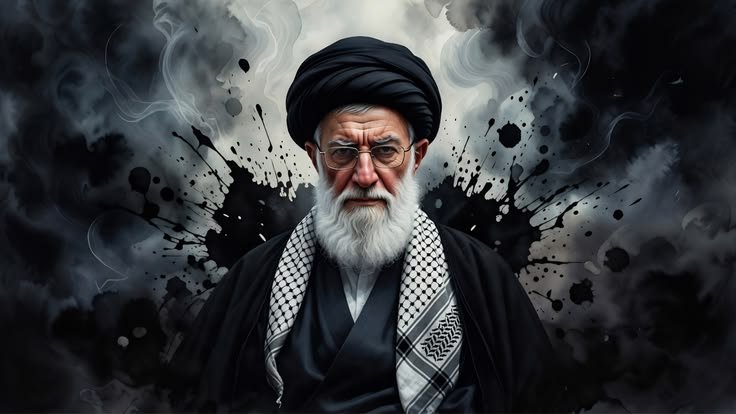
In the early months of 2026, news about Iran and the United States reflected a dramatic turn in foreign relations between the two nations. Long‑standing political tension and war warnings gave way to real military action, making Iran News one of the most widely read global topics.
The Iran‑USA crisis has global consequences, particularly for security in the Middle East, world energy markets, and international diplomacy. Because of these broad impacts, understanding the facts — including the reasons behind the conflict — is essential, not only for regional experts but for people around the world.
Historical Background: The Roots of the Crisis
To understand the current Iran News, it helps to know the historical issues that shaped the Iran‑USA relationship.
Long‑Term Political Tension
For decades, Iran and the United States have had a troubled relationship rooted in politics, ideology, and regional influence. Since the Iranian Revolution of 1979, Tehran has pursued an independent political path that often stood in opposition to American interests in the region. In return, the United States imposed sanctions and exerted economic pressure on Iran to limit its regional reach and nuclear program ambitions.
These tensions persisted for years — affecting trade, diplomacy, and regional security — and helped create an environment where conflict could eventually erupt. Over time, mistrust grew on both sides, and relations remained strained even when diplomats attempted to negotiate.
Conflicts Before 2026
Before the 2026 crisis, Israel and the United States had already targeted Iranian military infrastructure in previous military operations, which pushed tensions even higher. Iran responded at times with missile tests and proxy engagements with allied militias throughout the region.
Thus, the Iran‑USA crisis of 2026 did not occur in isolation, but within a backdrop of decades of hostility, rivalry, and competing strategic aims.
How the Iran‑USA Crisis Escalated
Military Confrontation Begins
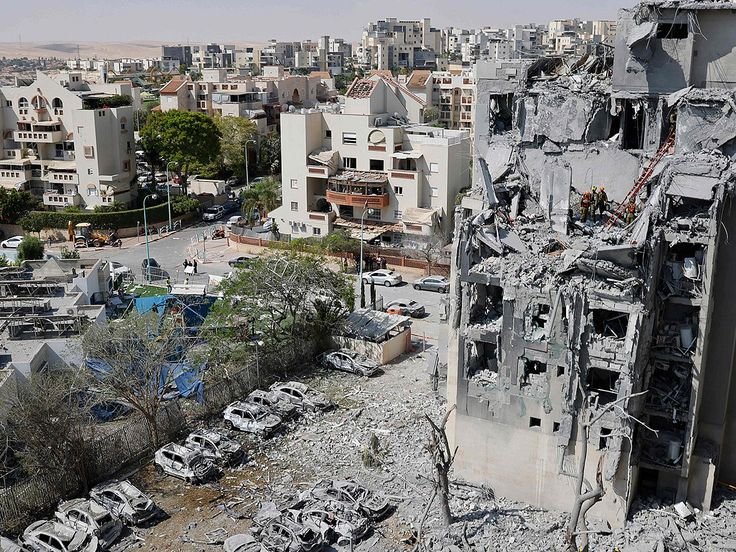
On February 28, 2026, coordinated airstrikes by the United States and Israel struck multiple Iranian targets, including military leadership and infrastructure deep within Iran. These coordinated operations marked a turning point in the long‑standing tension.
The attacks resulted in significant casualties and widespread destruction. Iran responded by firing missiles and launching drones at U.S. military bases in the Middle East and at Israeli targets — turning political conflict into active warfare.
As a result, the Strait of Hormuz — one of the world’s most important oil shipping routes — was closed, disrupting global trade and affecting energy markets around the world.
Installation of Military Forces
In the lead‑up to the crisis, the United States built up its military presence in the Middle East, deploying a large fraction of its available air and naval forces to the region. This strategy aimed to balance deterrence with preparedness for confrontation, which many analysts saw as a rare deployment of its kind in modern history.
Meanwhile, Iran held war‑preparation exercises and issued warnings that any military attack on its territory would spark broader regional conflict.
Recent Developments in the Iran‑USA Crisis
Provisional Ceasefire Agreements
Despite the intense confrontation, major developments continue. Recently, the United States, Israel, and Iran agreed to a provisional two‑week ceasefire in an effort to slow the violence and explore diplomatic solutions. As part of this agreement, Iran agreed to allow the Strait of Hormuz to reopen for commercial shipping — a key condition for easing global market disruptions.
The ceasefire was announced shortly before a U.S. deadline that had threatened further strikes against Iranian infrastructure. The agreement was reached through diplomatic mediation, including pressure from international actors.
However, the ceasefire is temporary, and Iran has emphasized that the overall conflict is not officially over, which means tensions remain high.
Iran’s Preconditions for Lasting Peace
While the United States has proposed short‑term de‑escalation measures, Iran insists on more than temporary peace. According to Iranian officials, its leadership set specific conditions for lasting peace talks, such as a complete end to U.S. military strikes and long‑term guarantees against future aggression. Iran also wants the right to charge fees on ships passing through the Strait of Hormuz.
These demands demonstrate that, even with ceasefire efforts, a durable peace remains difficult to achieve.
Impact on Civilians and Daily Life
Human Cost of the Conflict
While political and military developments drive Iran News, the humanitarian impact on ordinary people is profound. In Iran, civilians have expressed fear and exhaustion due to prolonged violence, extensive infrastructure damage, and economic hardship. Reports indicate that nearly 1,500 civilian deaths have occurred since the conflict escalated, with widespread destruction of factories, bridges, universities, and medical facilities.
Even those who initially hoped for political change have described growing despair as everyday life becomes more difficult. Communication disruptions caused by internet blackouts require many to rely on internet workarounds like VPNs and satellite connections to stay connected.
Evacuations and Displacement
Across Iran and parts of the Middle East, evacuations have taken place as dangerous military strikes disrupted travel, closed airspace, and made many areas unsafe for civilians. Governments and foreign missions have organized repatriation efforts to help stranded citizens and diplomats reach safety.
These humanitarian consequences illustrate that beyond the headlines, Iran News often represents real people living with uncertainty, loss, and fear.
Global Economic and Energy Impacts
Strait of Hormuz and Oil Supply Disruption
One of the most severe global effects of the Iran‑USA crisis is the disruption of energy markets. The closure or restricted access to the Strait of Hormuz — a passage that carries a large share of the world’s oil exports — caused major supply shortages. An energy analysis comparing the crisis to past global supply shocks concluded that the impact could be more severe than the oil supply disruptions of the 1970s.
This disruption has pushed oil prices higher and increased inflationary pressure worldwide, particularly for developing economies that rely heavily on imported fuel.
Despite the recent ceasefire and reopening of the sStrait uncertainties remain, and markets continue to react to each new development in Iran News Today
Diplomacy and International Reactions
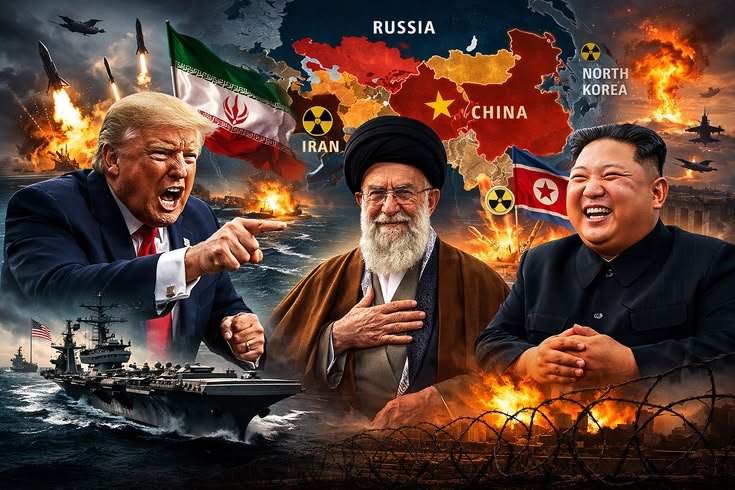
Mixed Global Response
Responses from global leaders have ranged widely. Some governments praised the ceasefire and urged expanded peace negotiations, while others warned that a temporary truce is not a lasting solution. For example, leaders in the United Arab Emirates publicly stated that ceasefire negotiations alone were insufficient and urged a broader security solution for the region.
Meanwhile, other nations welcomed the ceasefire as a step forward but remain concerned about potential escalation if diplomatic efforts falter.
Human Rights Concerns
International human rights organizations have criticized inflammatory rhetoric and the threat of attacks on civilian infrastructure, stressing the importance of protecting non‑combatants and avoiding actions that could be seen as violations of international humanitarian law.
Iran News: Why This Crisis Matters to the World
The Iran‑USA crisis is more than a regional dispute — its repercussions reach across continents and sectors. The main reasons Iran News resonates globally include:
- Global Energy Stability: The conflict directly affects the flow of oil and gas, influencing prices and economic forecasts worldwide.
- Security Alliances: U.S. military involvement draws in regional and global strategic partnerships, affecting NATO allies and Middle Eastern states alike.
- Economic Uncertainty: Disruptions to trade routes and production create ripple effects in markets and supply chains globally.
- Diplomacy and War Avoidance: How negotiations proceed may set precedents for international conflict resolution in the digital age.
Thus, what appears in Iran News is about more than politics — it’s about international order, human wellbeing, and global cooperation.
Possible Future Scenarios
Experts and policymakers see several key paths forward:
1. Extended Peace Talks
If diplomatic negotiations build on the temporary ceasefire and address core concerns, a long‑term peace agreement may be possible.
2. Renewed Conflict
Should diplomatic progress stall or key demands remain unmet, tensions could spiral back into active confrontation.
3. Wider Regional Impact
Proxy alliances in the Middle East might change the nature of the conflict, involving other nations and non‑state actors.
Each scenario carries serious implications, placing continued attention on Iran News as the situation evolves.
Conclusion
The ongoing crisis between Iran and the United States — as covered in Iran News — is rooted in deep historical tension, hardened by decades of political rivalry, and now manifested in direct military confrontation. While temporary ceasefire steps show promise, true resolution remains uncertain.
The human, economic, and diplomatic effects of this crisis are profound, reminding us that modern conflicts touch far more than borders or battlefields. They influence families, energy prices, and international relationships.
About The Author