The Middle East remains one of the most important regions in global politics. Moreover, developments involving Iran and Israel frequently attract international attention because both countries play significant roles in regional security and diplomacy. Therefore, whenever tensions rise or major events occur, people around the world turn to Iran News for reliable information and analysis.
Historical Background of Iran-Israel Relations
Relations Before 1979
Before the Iranian Revolution, Iran and Israel maintained diplomatic and economic relations.
Moreover, both countries cooperated in several areas and shared certain strategic interests.
However, major political changes later transformed the relationship.
The Islamic Revolution and Its Impact
The Iranian Revolution of 1979 marked a significant turning point.
Consequently, diplomatic relations between Iran and Israel ended.
Furthermore, political differences became increasingly visible, and tensions gradually increased.
As a result, the relationship evolved into a long-term strategic rivalry.
Decades of Strategic Competition
Over the following decades, regional developments continued influencing relations.
Moreover, both countries pursued policies designed to protect national interests and strengthen regional positions.
Therefore, strategic competition became a defining characteristic of the relationship.
Because of this history, discussions in Iran News frequently reference earlier developments when analyzing current events.
Why Tensions Continue Between Iran and Israel
Several factors contribute to ongoing tensions.
Security Concerns
National security remains a major priority for both countries.
Moreover, policymakers carefully assess developments that could affect strategic interests.
Therefore, security considerations continue influencing decision-making.
Regional Influence
Iran and Israel both play significant roles in Middle Eastern affairs.
Furthermore, each country seeks to maintain influence and protect long-term objectives.
Consequently, regional competition remains an important factor.
Political Differences
Different political perspectives often contribute to disagreements.
Moreover, regional events sometimes intensify existing tensions.
As a result, diplomatic challenges continue to emerge.
Recent Israel-Iran Battle Developments
Rising International Attention
Recent developments have attracted significant international interest.
Moreover, governments and analysts continue evaluating the implications of changing conditions.
Therefore, global demand for accurate Iran News remains strong.
Security Updates
Periods of increased tension often lead to heightened security awareness.
Furthermore, governments may review preparedness measures and strategic plans.
Consequently, security developments remain a major focus of public discussion.
Diplomatic Responses
Diplomatic reactions frequently follow major events.
Moreover, international leaders often encourage restraint and communication.
As a result, diplomatic engagement remains an essential component of crisis management.
Regional Impact of Israel-Iran Tensions
Effects on Neighboring Countries
Countries across the Middle East closely monitor developments involving Iran and Israel.
Furthermore, governments may adjust policies in response to changing circumstances.
Consequently, regional decision-making often reflects broader security concerns.
Influence on Alliances
Strategic partnerships can become increasingly important during periods of uncertainty.
Moreover, countries may strengthen cooperation in response to emerging challenges.
Therefore, alliances often play a significant role in shaping regional dynamics.
Stability Considerations
Regional stability remains a key objective for many governments.
As a result, efforts aimed at preventing escalation continue receiving support.
Furthermore, cooperation and communication can help reduce uncertainty.
The Role of Diplomacy
Importance of Dialogue
Diplomatic communication remains one of the most effective tools for managing tensions.
Moreover, dialogue helps governments clarify positions and address concerns.
Therefore, diplomacy continues playing a central role in regional affairs.
Regional Diplomatic Efforts
Many countries support diplomatic initiatives designed to promote stability.
Furthermore, regional discussions provide opportunities for cooperation.
Consequently, diplomatic engagement remains a valuable mechanism for conflict prevention.
International Mediation
International organizations and partner nations often encourage communication.
Moreover, mediation can create opportunities for constructive dialogue.
As a result, diplomatic efforts continue receiving international support.
Military and Security Dimensions
Defense Preparedness
Governments regularly review defense strategies during periods of uncertainty.
Furthermore, preparedness helps address potential risks.
Therefore, defense planning remains an important aspect of national security.
Strategic Deterrence
Deterrence aims to discourage escalation through preparedness and capability.
Moreover, many governments view deterrence as an essential security principle.
Consequently, strategic calculations often influence policy decisions.
Modern Security Challenges
Security concerns today extend beyond traditional military issues.
Furthermore, cybersecurity and technological competition have become increasingly important.
As a result, governments must address a broader range of security challenges.
Because of these developments, International News frequently covers both traditional and emerging security topics.
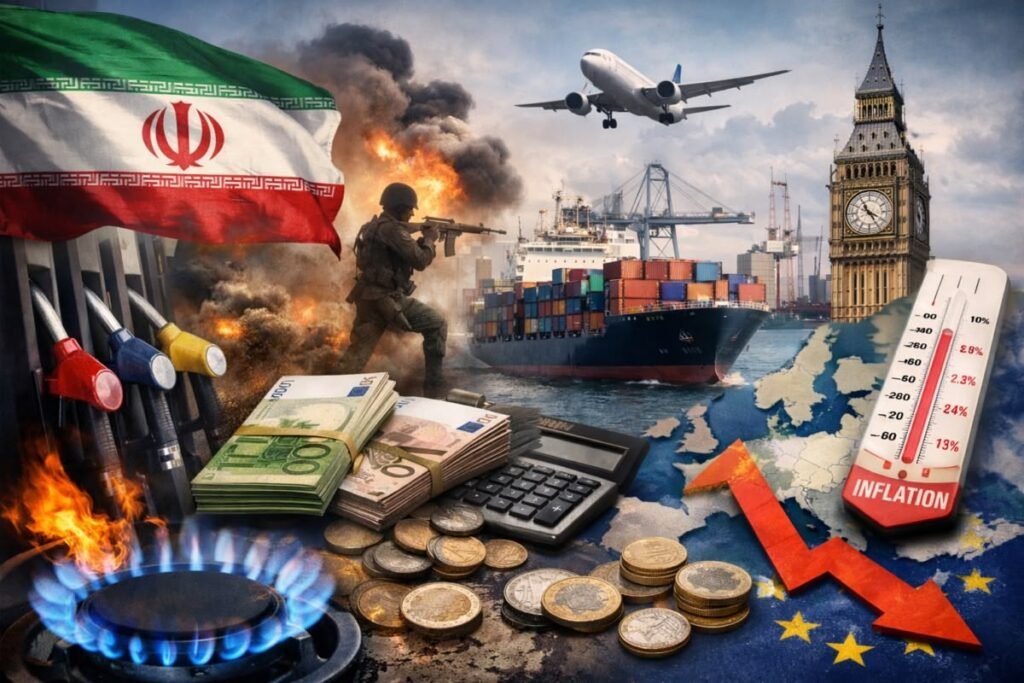
Economic Consequences of Regional Tensions

Financial Market Reactions
Financial markets often respond to geopolitical developments.
Moreover, uncertainty can affect investor confidence and economic expectations.
Therefore, analysts closely monitor developments involving Iran and Israel.
Trade and Commerce
Regional tensions can influence transportation routes and trade relationships.
However, governments generally work to minimize disruptions.
Consequently, economic stability remains a major priority.
Energy Market Implications
The Middle East remains one of the world’s most important energy-producing regions.
Therefore, developments involving Iran and Israel often influence market expectations.
Moreover, energy security remains a critical concern for many countries.
As a result, Iran News attracts attention from investors, economists, and policymakers.
Global Reactions to the Situation
Responses from Major Powers
Major world powers closely monitor developments.
Moreover, many governments support diplomatic solutions and conflict prevention.
Therefore, international reactions often emphasize restraint and dialogue.
Role of International Organizations
Organizations such as the United Nations encourage peaceful engagement.
Furthermore, they support communication and cooperation among countries.
Consequently, international institutions remain active participants in diplomatic discussions.
Worldwide Public Interest
The situation affects issues related to trade, energy, security, and diplomacy.
As a result, audiences worldwide continue following developments closely.
The Importance of Reliable Information
Accurate Reporting Matters
Reliable reporting helps audiences understand complex situations.
Moreover, accurate information supports informed decision-making.
Therefore, readers should rely on credible and verified sources.
Challenges of Rapid News Coverage
Information spreads quickly through digital platforms.
However, fast-moving developments can sometimes create confusion.
Consequently, verification remains essential.
Growing Demand for Updates
People around the world seek information about Middle Eastern developments.
As a result, interest in Iran News remains consistently high.
Conclusion
The Israel-Iran situation continues to influence regional and global affairs. Moreover, security concerns, strategic competition, diplomatic initiatives, and economic implications all contribute to its significance.
While tensions remain a challenge, diplomacy continues to offer opportunities for communication and conflict prevention. Furthermore, regional and international actors support efforts aimed at reducing risks and promoting stability.
At the same time, economic cooperation, confidence-building measures, and responsible leadership may create pathways toward a more stable future. Therefore, continued engagement and careful diplomacy will remain essential.
About The Author