Iran News has once again become the center of global attention because urgent reports suggest a new Israel-Iran war threat is rising. Moreover, political tensions, military movements, and diplomatic breakdowns are increasing fears of a wider Middle East conflict. As a result, governments and global organizations are closely monitoring every development.
At the same time, the situation is highly complex. Instead of a single conflict, multiple issues are involved, including nuclear concerns, regional alliances, cyber warfare, and economic pressure. Therefore, even small incidents can quickly escalate into larger crises.
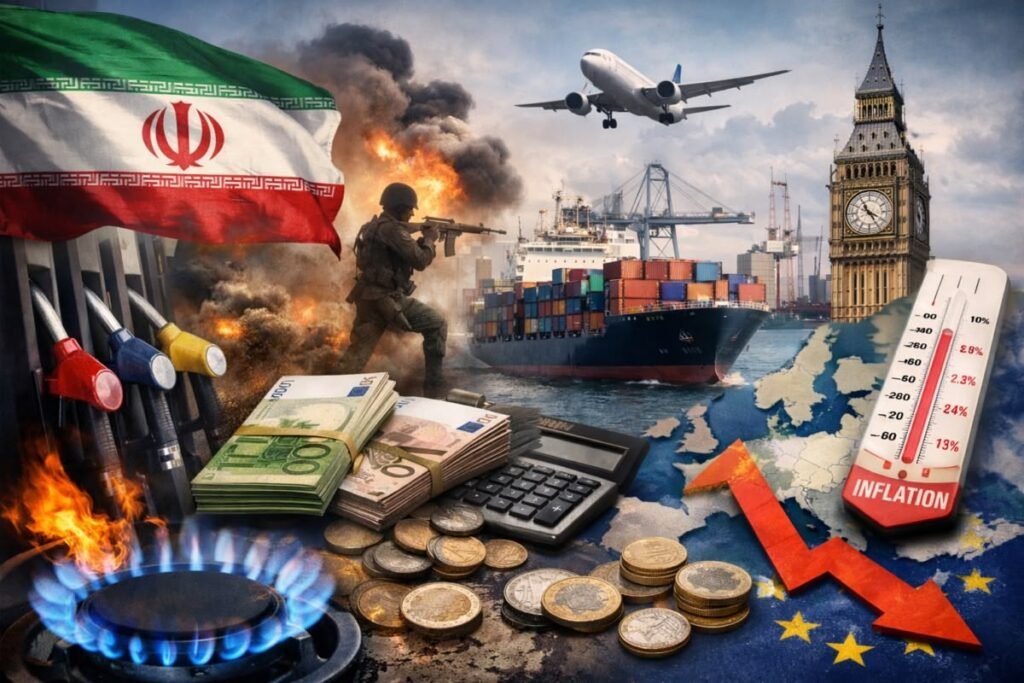
Overview of the New War Threat in the Middle East
Rising Military Alert in the Region
Recent reports show increased military alert levels in the Middle East. Moreover, intelligence sources suggest growing preparation for possible escalation.
As a result, countries in the region are strengthening defense systems and monitoring movements closely.
Additionally, air defense systems and naval forces have been placed on higher readiness. Therefore, the risk of conflict is becoming more serious.
Iran at the Center of Global Concern
Iran remains a key focus in Iran News because of its strategic influence and regional role.
Moreover, Iran’s military and political decisions directly affect neighboring countries.
Consequently, any action involving Iran quickly becomes international news.
Main Causes Behind the New War Threat
Long-Term Political Rivalry
One major cause of tension is long-term rivalry between Iran and Israel.
Moreover, both countries have completely different political systems and regional goals.
As a result, diplomatic relations remain highly hostile.
Nuclear Program Dispute
Iran’s nuclear program continues to be a major international concern.
Israel believes Iran may develop nuclear weapons capability. However, Iran insists its nuclear program is peaceful.
Therefore, disagreements over nuclear activities remain a central issue.
Regional Power Competition
Iran and Israel both compete for regional influence.
Moreover, they support opposing sides in different Middle Eastern conflicts.
As a result, indirect confrontation continues across several countries.
Israel-Iran Military Tensions
Airstrikes and Counterattacks
Israel has reportedly conducted airstrikes on targets linked to Iran in the region.
Moreover, these operations aim to prevent military expansion near Israeli borders.
As a result, tensions between both countries continue increasing.
Iran’s Response Strategy
Iran has strengthened its missile and drone capabilities.
Additionally, it has increased regional military cooperation with allied groups.
Therefore, Iran continues building deterrence against potential attacks.
Risk of Direct Conflict
Although direct war has not started, the risk is rising.
Moreover, even a small incident could trigger a larger escalation.
Therefore, global experts warn about possible miscalculations.
United States Role in the Conflict
Military Presence in the Region
The United States maintains military bases across the Middle East.
Moreover, these bases support regional security operations and allied countries.
As a result, Iran views US presence as a strategic threat.
Support for Israel
The USA provides strong political and military support to Israel.
Therefore, Israel receives advanced defense systems and intelligence cooperation.
Consequently, Iran and the USA remain in indirect confrontation.
Economic Sanctions on Iran
The United States has imposed strict sanctions on Iran.
Moreover, these sanctions target oil exports, banking systems, and international trade.
As a result, Iran’s economy faces long-term pressure.
Regional Alliances and Proxy Conflicts
Iran’s Regional Influence
Iran maintains strong ties with groups in Lebanon, Syria, Iraq, and Yemen.
Moreover, these alliances extend Iran’s influence across the region.
Therefore, Iran plays a central role in regional power balance.
Israel’s Security Alliances
Israel builds strong alliances with Western countries.
Additionally, it focuses on intelligence sharing and defense cooperation.
As a result, Israel strengthens its regional security position.
Proxy Conflicts in the Region
Indirect conflicts continue in several Middle Eastern countries.
Therefore, Iran and Israel often support opposing groups.
Consequently, tensions extend beyond direct borders.
Military Developments and Modern Warfare
Missile and Drone Technology
Iran has developed advanced missile systems and drones.
Moreover, these technologies are part of its defense strategy.
Therefore, regional military balance continues shifting.
Cyber Warfare Escalation
Modern conflict now includes cyber operations.
Additionally, both sides have experienced cyberattacks on infrastructure.
As a result, digital warfare is now a major concern in Iran News.
Naval Security in Strategic Waters
The Persian Gulf remains a sensitive region for military activity.
Moreover, naval movements often increase regional tension.
Therefore, maritime security is closely monitored.
Global Reactions to the War Threat
Russia’s Diplomatic Position
Russia maintains relations with both Iran and regional countries.
Moreover, it encourages diplomatic solutions instead of military escalation.
Therefore, Russia plays a balancing role.
China’s Economic Interest
China focuses on energy security and trade stability.
Additionally, it maintains strong economic relations with Iran.
As a result, China supports peaceful negotiations.
European Union Concerns
The European Union is worried about rising tensions.
Therefore, European leaders continue pushing for diplomatic talks.
Economic Impact of Rising War Threat
Oil Price Instability
Whenever tensions rise, oil prices often increase.
Moreover, the Middle East supplies a large share of global energy.
Therefore, instability directly affects global markets.
Trade Route Risks
Important shipping routes pass near conflict zones.
As a result, military tension can disrupt global trade.
Consequently, international businesses face uncertainty.
Regional Economic Pressure
Conflict reduces investment and tourism.
Therefore, regional economies experience slower growth.
Humanitarian Impact of the Conflict
Civilian Risk and Safety
Military escalation increases risks for civilians.
Therefore, humanitarian organizations call for restraint and peace.
Economic Hardship
Sanctions and conflict increase inflation and unemployment.
As a result, many families face financial difficulties.
Displacement and Refugees
Regional conflicts often cause population movement.
Therefore, neighboring countries face refugee challenges.
Media Coverage and Public Awareness
Global News Attention
International media closely follows Middle East developments.
Moreover, updates spread quickly across the world.
Therefore, public awareness increases rapidly.
Social Media Influence
Social media spreads news instantly.
However, misinformation can create confusion.
Therefore, reliable reporting is essential in Iran News.
Future Predictions for Israel-Iran War Threat
Risk of Escalation
Experts warn that tensions may continue rising.
Moreover, small incidents could trigger larger conflict.
Therefore, the situation remains highly unstable.
Possibility of Diplomatic Talks
Despite tensions, diplomacy is still possible.
Additionally, international negotiations may reduce risks.
Therefore, peace remains a realistic option.
Long-Term Regional Rivalry
However, political and ideological differences may continue.
As a result, rivalry between regional powers may persist.
Importance of Iran in Global Security
Energy Supply Role
Iran plays an important role in global energy supply.
Therefore, its stability affects international markets.
Geopolitical Position
Iran connects multiple strategic regions.
As a result, it remains central in global politics.
Security Influence
Any conflict involving Iran impacts global security.
Therefore, world powers closely monitor developments.
Conclusion
Iran News remains extremely important because urgent reports about a new Israel-Iran war threat show rising tensions in the Middle East involving Iran, Israel, and the United States. Moreover, military activity, political disputes, and economic pressure are increasing fears of a wider regional conflict.
At the same time, Iran plays a central role due to its strategic location, military strength, and regional alliances. Meanwhile, Israel focuses on national security, and the United States maintains strong influence through military presence and diplomatic support.
About The Author